

2015 Subaru Outback Belts – OEM Serpentine & Accessory Drive Belt Replacements
2015 Outback Belts – Powering Your Engine’s Vital Systems
Your 2015 Subaru Outback relies on strong, reliable belts to drive essential components like the alternator, A/C compressor, power steering pump, and water pump. Over time, belts wear out, stretch, or crack—leading to poor engine performance or sudden failure.
These OEM-spec serpentine and accessory belts are engineered for perfect fitment, long-lasting performance, and quiet operation. Built with reinforced EPDM rubber, they’re designed to handle temperature extremes and high engine loads without slipping or squealing.

Buckle

Pillar Molding Lower Clip

Door Shell Grommet


Door Trim Panel Retainer Clip

Quarter Trim Panel Grommet

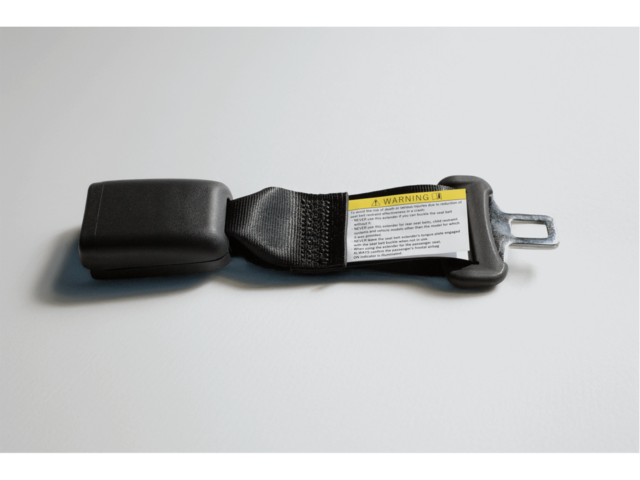
Seatbelt Extender
No results found for "Belts". Here are some helpful search tips:
- Search by a part name. Example: water pump.
- Be less specific. Example: brake instead of ceramic brake.
- Remove information such as make, year or model.
- Can't find the part you are looking for? Contact us and we'll find it for you!
Why Choose OEM 2015 Outback Belts?
✔ OEM Fitment – Precision-matched to your engine layout and pulley configuration
✔ Protects Engine Components – Keeps your accessories operating at peak efficiency
✔ Durable Construction – Heat- and crack-resistant for long service life
✔ Smooth & Quiet – Reduces noise and vibration for a more comfortable drive
✔ Easy Installation – No trimming or adjustments—just direct bolt-on fit
Compatible 2015 Subaru Outback Trims
These belts are available for all 2015 Outback models:
🔹 2.5i Base
🔹 2.5i Premium
🔹 2.5i Limited
🔹 3.6R Limited
✅ The 2.5i models typically use a single serpentine belt, while 3.6R models may use multiple belts (including one for the A/C or alternator). Always check your engine setup and belt routing diagram before ordering.
How to Replace 2015 Outback Belts
Tools Required:
✔ Breaker bar or serpentine belt tool
✔ Socket set
✔ Belt routing diagram (under the hood or in the manual)
Step-by-Step Guide:
1️⃣ Locate the Belt Routing Diagram – Familiarize yourself with the correct belt path.
2️⃣ Relieve Tension – Rotate the belt tensioner to release the old belt.
3️⃣ Remove the Old Belt – Slide it off the pulleys and inspect for cracks or glazing.
4️⃣ Inspect Tensioner & Pulleys – Replace if noisy or worn.
5️⃣ Install New Belt – Route carefully, ensuring proper alignment on all pulleys.
6️⃣ Start Engine & Observe – Listen for squeals and watch for belt tracking.
🔧 Pro Tip: If your vehicle has high mileage, consider replacing the belt tensioner and idler pulley at the same time for maximum reliability.
Signs You Need to Replace Your 2015 Outback Belts
🚙 Squealing noise at startup or during acceleration
🚙 Visible cracks, fraying, or glazing on the belt
🚙 Loss of power steering, A/C, or battery charging
🚙 Overheating due to water pump failure
🚙 Belt appears loose or misaligned
Types of 2015 Outback Belts
🔹 Serpentine Belt – Powers multiple engine accessories with a single loop
🔹 Accessory Belts (3.6R only) – May include a second belt for A/C or alternator
🔹 Timing Belt – Not applicable: The 2015 Outback uses a timing chain, not a belt
Popular Related Parts for 2015 Outback
🔹 2015 Outback Belt Tensioners – Keeps the belt tight and aligned
🔹 2015 Outback Idler Pulleys – Smooth operation and consistent belt routing
🔹 2015 Outback Water Pumps – Driven by the serpentine belt in most trims
Get Your 2015 Outback Belts Today!
Don’t risk accessory failure or engine damage—keep your Outback running strong with OEM-quality belts designed for durability, quiet operation, and a factory-perfect fit.
🛒 Upgrade Your Ride 🚙 – Shop Now!
FAQs About 2015 Outback Belts
❓ How often should I replace the serpentine belt? Usually every 60,000 to 100,000 miles, depending on wear and driving conditions.
❓ Can I replace the belt myself? Yes—with basic tools and a belt routing diagram, it’s a straightforward DIY job.
❓ Do all Outback models use the same belt? No—belt length and routing vary between 2.5i and 3.6R engines. Always check compatibility.
❓ What happens if a belt fails while driving? You could lose power steering, cooling, charging, or A/C, potentially leading to overheating or breakdown.
❓ Should I replace the tensioner with the belt? Yes—if it's noisy, loose, or has excessive play, replace it to ensure belt longevity and alignment.