

2018 Subaru Outback Belts – OEM Serpentine & Accessory Drive Belts
2018 Outback Belts – Powering Critical Engine Systems
Your 2018 Subaru Outback relies on belts to drive essential systems like the alternator, water pump, power steering pump, and A/C compressor. Over time, belts wear out—leading to noise, overheating, or even complete accessory failure.
These OEM-quality replacement belts are built from reinforced EPDM rubber and designed for quiet, long-lasting performance. Whether you have the 2.5i or 3.6R, replacing old belts with direct-fit components ensures your engine stays healthy and responsive.

Seat Belt Cover

Lap & Shoulder Belt

Seat Belt Assembly

Lap & Shoulder Belt
Lap & Shoulder Belt

Engine Timing Chain Tensioner

Engine Timing Chain Tensioner

Key Chain - Subaru Logo
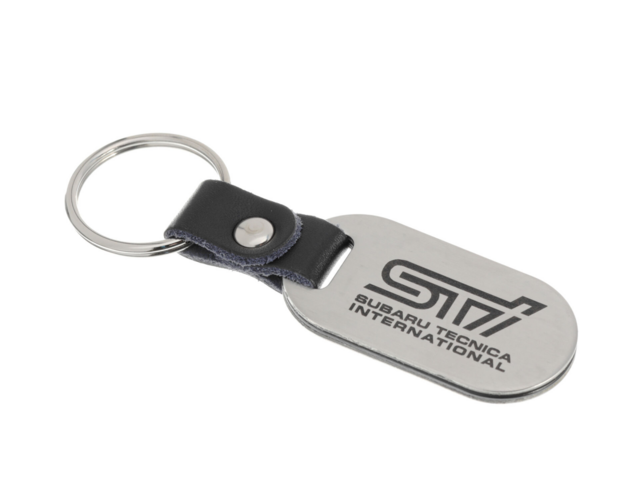
Key Chain - STI Logo

Key Chain - Carbon Fiber - Sti Logo

Tensioner Adjuster

Tensioner Adjuster
No results found for "belts". Here are some helpful search tips:
- Search by a part name. Example: water pump.
- Be less specific. Example: brake instead of ceramic brake.
- Remove information such as make, year or model.
- Can't find the part you are looking for? Contact us and we'll find it for you!
Why Choose OEM 2018 Outback Belts?
✔ OEM Fitment – Precision-matched to factory pulleys and routing layouts
✔ Protects Vital Components – Maintains proper function of alternator, cooling system, A/C, and power steering
✔ Durable Materials – Built to resist cracking, glazing, and stretching
✔ Quiet Operation – Reduces squeals and vibrations under load
✔ Quick Installation – Direct-fit for fast, no-hassle replacement
Compatible 2018 Subaru Outback Trims
Belts available for:
🔹 2.5i Base
🔹 2.5i Premium
🔹 2.5i Limited
🔹 3.6R Limited
✅ The 2.5i models typically use a single serpentine belt, while 3.6R trims may use multiple accessory belts. Always check your engine bay or owner’s manual to confirm routing and part number.
How to Replace 2018 Outback Belts
Tools Required:
✔ Breaker bar or serpentine belt tool
✔ Socket set ✔ New belt(s)
✔ Belt routing diagram (under hood or in manual)
Step-by-Step Guide:
1️⃣ Locate the Belt Routing Diagram – Double-check pulley layout before removal.
2️⃣ Relieve Belt Tension – Use the belt tensioner tool to release pressure.
3️⃣ Remove Old Belt – Slide belt off pulleys and inspect for wear or cracking.
4️⃣ Install New Belt – Follow the diagram and ensure proper alignment.
5️⃣ Start Engine & Observe – Check for tracking issues, noise, or tension problems.
🔧 Pro Tip: If you’re over 75,000 miles, inspect or replace the belt tensioner and idler pulleys to avoid future issues.
Signs You Need to Replace Your 2018 Outback Belts
🚙 Squealing at startup or when turning on the A/C
🚙 Cracks, fraying, or glazing on belt surface
🚙 Battery warning light or charging issues
🚙 Overheating or loss of cabin heating
🚙 Power steering or A/C malfunctions
Types of 2018 Outback Belts
🔹 Serpentine Belt (2.5i) – Drives multiple accessories with a single belt
🔹 Accessory Drive Belts (3.6R) – May include separate belts for the alternator and A/C
🔹 Timing Belt – Not applicable; the 2018 Outback uses a timing chain
Popular Related Parts for 2018 Outback
🔹 2018 Outback Belt Tensioners – Keep proper tension and alignment
🔹 2018 Outback Idler Pulleys – Support smooth, quiet belt operation
🔹 2018 Outback Water Pumps – Belt-driven in most trims—key to cooling system performance
Get Your 2018 Outback Belts Today!
Don’t wait for a breakdown. Keep your Subaru’s vital systems running strong with OEM-quality belts designed for durability, quiet operation, and exact fit.
🛒 Upgrade Your Ride 🚙 – Shop Now!
FAQs About 2018 Outback Belts
❓ How long do serpentine belts last? Most last 60,000 to 100,000 miles, depending on conditions and driving habits.
❓ Can I replace the belt myself? Yes—with basic tools and a routing diagram, it’s a moderate DIY job.
❓ Do 2.5i and 3.6R trims use the same belts? No—3.6R trims may use multiple belts. Always verify by trim or VIN.
❓ What happens if a belt fails while driving? You could lose power steering, battery charging, or cooling—potentially leading to overheating or breakdowns.
❓ Should I replace tensioners or pulleys with the belt? Yes—if they’re noisy, loose, or worn, replacing them helps extend belt life.