

2023 Outback Brake Pads – OEM Fit for Quiet, Confident Stopping Power
Reliable Braking for Every Drive
Your 2023 Subaru Outback is built for all-road comfort and capability—so your brake pads need to deliver consistent, quiet stopping no matter where you go. If you're hearing squealing, noticing longer stops, or seeing excessive brake dust, it’s time for a replacement.
These OEM-quality and performance brake pads are precision-matched to your Outback’s calipers and rotors, delivering smooth pedal feel, reduced noise, and long-lasting wear. Choose ceramic for low dust and daily driving or semi-metallic for stronger bite under load.
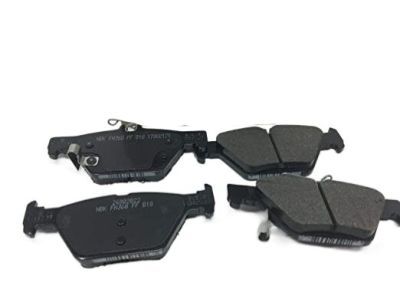
Brake Pads

Brake Pads

Disc Brake Pad Shim

Hardware Kit
No results found for "Brake Pads". Here are some helpful search tips:
- Search by a part name. Example: water pump.
- Be less specific. Example: brake instead of ceramic brake.
- Remove information such as make, year or model.
- Can't find the part you are looking for? Contact us and we'll find it for you!
Why Choose OEM Brake Pads?
✔ OEM Fitment – Designed to match factory braking system for perfect pad-to-rotor contact.
✔ Prevents Failures – Minimizes rotor damage, brake fade, and uneven wear.
✔ Durable Construction – Made from premium friction materials for long service life.
✔ Efficient Operation – Delivers consistent braking performance in all conditions.
✔ Easy Installation – Direct bolt-on replacements with no modifications required.
Compatible Subaru Outback Models
Fits 2023 Subaru Outback, including Base, Premium, Limited, Touring, Onyx Edition XT, Wilderness, and Touring XT trims. Front and rear pad sets available—check fitment based on axle and brake package.
How to Replace Brake Pads on a 2023 Outback
Tools Required:
✔ Jack and jack stands
✔ Lug wrench
✔ Socket set
✔ Brake cleaner
✔ C-clamp or caliper piston tool
✔ Torque wrench
Installation Steps:
Lift and Secure the Vehicle, then remove the wheel.
Remove the Brake Caliper and slide out the old pads.
Inspect Rotors and clean the caliper bracket.
Compress Caliper Pistons with a C-clamp or brake tool.
Install the New Pads into the caliper bracket.
Reinstall the Caliper and torque to spec.
Bed-In the Pads to ensure even contact and optimal performance.
Pro Tip: Replace brake pads in axle pairs and use fresh hardware for best results and noise prevention.
Signs You Need New Brake Pads
🚙 Squealing or grinding when braking
🚙 Brake pedal feels soft or spongy
🚙 Longer stopping distances
🚙 Excessive dust or visible pad wear
🚙 Dashboard brake warning light
Brake Pad Options for Your 2023 Outback
🔹 OEM Replacement Pads – Factory feel and performance for daily driving
🔹 Ceramic Brake Pads – Low dust and quiet operation for comfort-focused drivers
🔹 Semi-Metallic Brake Pads – Enhanced braking force and heat resistance
🔹 Performance Pads – Ideal for towing, hilly terrain, or spirited driving
Popular Related Parts for 2023 Outback
🔹 2023 Outback Brake Rotors – Replace with pads for even wear and braking consistency
🔹 2023 Outback Calipers – Ensure balanced pressure and even pad engagement
🔹 2023 Outback Brake Hardware Kits – Help reduce noise and extend pad life
🔹 2023 Outback Brake Fluid – Restore firm pedal feel and responsive braking
Get Your 2023 Outback Brake Pads Today
Ensure your safety and driving comfort with high-quality brake pads engineered to fit your Outback perfectly. Whether you're restoring quiet factory performance or upgrading for better bite, we’ve got you covered.
🛒 Upgrade Your Ride 🚙 – Shop Now!
FAQs About 2023 Outback Brake Pads
❓ How long do brake pads last on a 2023 Outback? Typically 30,000 to 60,000 miles, depending on driving habits and pad type.
❓ Should I replace rotors with brake pads? Yes—replacing both together ensures optimal bedding, braking, and longevity.
❓ Are ceramic or semi-metallic pads better? Ceramic pads are quieter and cleaner. Semi-metallic pads provide stronger braking under heat.
❓ Do I need to bleed brakes when changing pads? Not unless you open the hydraulic system—but always check and top off brake fluid.
❓ Can I install brake pads myself? Yes—it's a DIY-friendly job with basic tools and some mechanical knowledge.