

Subaru BRZ Belts – OEM-Quality Accessory Performance
Subaru BRZ Belts – High-Quality Performance & OEM Parts
The belts in your Subaru BRZ are critical to keeping your engine accessories — including the alternator, water pump, power steering pump, and air conditioning compressor — running smoothly. Over time, belts stretch, crack, or wear, leading to squealing noises and reduced performance.
Replacing worn belts with OEM-quality replacements ensures proper fit, quiet operation, and long-term reliability, preserving the BRZ’s legendary performance and dependability.

Timing Belt

Timing Belt

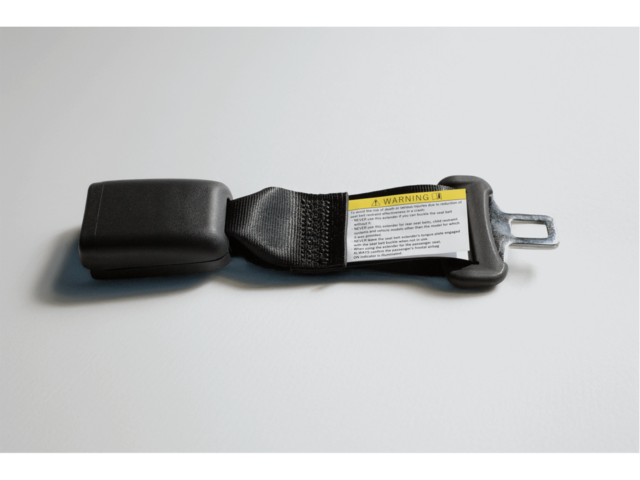
Seatbelt Extender
No results found for "Belt". Here are some helpful search tips:
- Search by a part name. Example: water pump.
- Be less specific. Example: brake instead of ceramic brake.
- Remove information such as make, year or model.
- Can't find the part you are looking for? Contact us and we'll find it for you!
Why Choose OEM Subaru BRZ Belts?
✔ OEM Fitment – Precision-engineered to match your factory accessory drive system.
✔ Prevents Slipping & Accessory Failure – Maintains proper tension for reliable performance.
✔ Durable Construction – Made from reinforced rubber compounds for long-lasting wear resistance.
✔ Quiet Operation – Minimizes belt noise for smooth performance.
✔ Easy Installation – Direct bolt-on replacement with no modifications required.
Compatible Subaru Models
These OEM belts fit:
Subaru BRZ (2013–2024)
How to Install Subaru BRZ Belts
Regular belt replacement is key to preventing accessory failure and ensuring reliable engine operation. Here’s how to replace your BRZ belts:
Tools Required:
✔ Socket wrench set
✔ Belt tensioner tool (if applicable)
✔ Flashlight
✔ Belt routing diagram (refer to your service manual)
Step-by-Step Installation Guide:
Locate the Accessory Belts – Identify each belt’s routing and corresponding accessories.
Release Tension – Use the tensioner tool to relieve tension on the belt.
Remove Old Belt – Carefully slide off the old belt, inspecting for cracks or glazing.
Inspect Pulleys – Check for damage, dirt buildup, or misalignment.
Install New Belt – Follow the factory belt routing diagram to ensure proper placement.
Reapply Tension – Adjust the tensioner to factory specs.
Start & Inspect – Start the engine and check for smooth, quiet operation.
Pro Tip: When replacing belts, it’s also a good time to inspect belt tensioners and pulleys for wear or failure.
Signs You Need to Replace Your Subaru BRZ Belts
🚙 Squealing or chirping noises from the engine bay.
🚙 Power steering feels heavy or sluggish.
🚙 Battery not charging properly (alternator belt).
🚙 Visible cracks, fraying, or glazing on the belts.
🚙 AC compressor not engaging properly.
Types of Subaru BRZ Belts
🔹 Serpentine Belts – Drives multiple accessories with a single belt (common on modern engines).
🔹 V-Belts – Older systems use separate belts for individual accessories.
Popular Related Parts for Subaru BRZ
🔹 Subaru BRZ Belt Tensioner – Maintains proper belt tension for smooth operation.
🔹 Subaru BRZ Pulleys – Ensures smooth belt rotation and proper alignment.
🔹 Subaru BRZ Water Pump – Works with the belt to circulate coolant through the engine.
Get Your Subaru BRZ Belts Today!
Keep your BRZ’s engine accessories running reliably by replacing worn belts with OEM-quality replacements. Browse our collection and order today!
🛒 Upgrade Your Ride 🚙 – Shop Now!
FAQs About Subaru BRZ Belts
❓ How often should I replace my Subaru BRZ belts? Typically, every 60,000 to 100,000 miles, but always inspect annually for signs of wear.
❓ Can I replace BRZ belts myself? Yes, replacing accessory belts is a straightforward DIY job with basic tools.
❓ What happens if a belt breaks while driving? You could lose power steering, cooling, charging, or air conditioning, depending on the belt.
❓ Should I replace the belt tensioner at the same time? If the tensioner is noisy, loose, or worn, replacing it along with the belt is highly recommended.
❓ Are OEM belts better than aftermarket? Yes, OEM belts are built to Subaru’s exact specifications, ensuring precise fitment and optimal performance.